
Shopping cart abandonment: The causes hiding outside your ad platform

Every marketer knows this scene. Your dashboard looks busy, add to carts are climbing, cost per click is reasonable, and the creative is pulling enough impressions. Then you check purchases and the number barely moves. Somewhere between adding to cart and confirming payment, your shoppers vanished.
This is not a rare problem. Roughly seven in ten online carts are abandoned before checkout1 and the reasons are often hiding outside the ad platform itself.
The instinct is to blame the ad. Marketers tend to refresh the creatives, narrow the audience, raise the bid2 – which are all valid optimisation steps. But sometimes the issue lies elsewhere. Here are three hidden causes worth checking first.
You might be chasing the wrong conversion
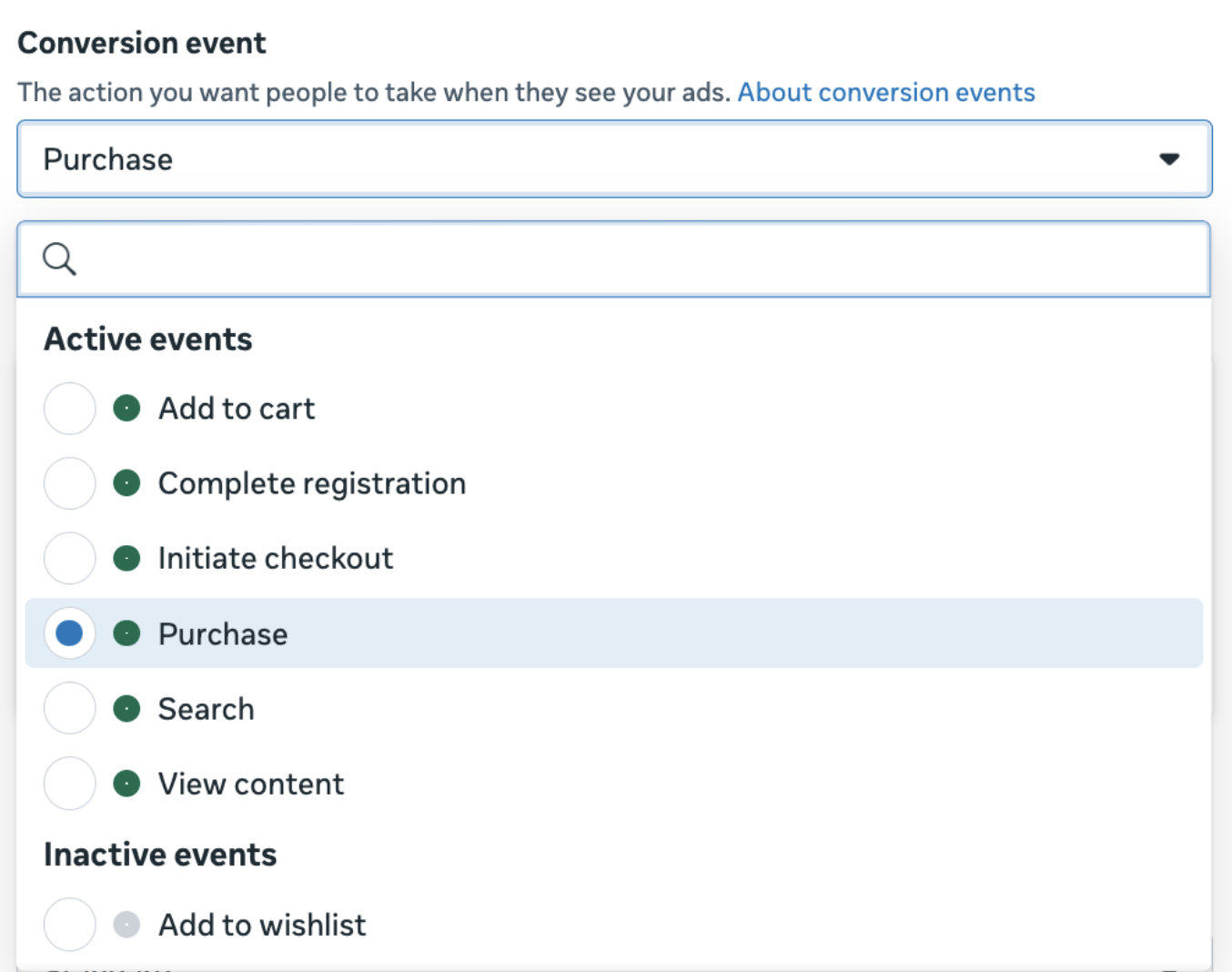
This one hides in plain sight. If “add to cart” is set as a conversion action in your campaign, the algorithm will optimise towards that3. The dashboard fills up with conversions, and while that number feels productive, none of them are actual purchases.
The giveaway is a wide gap between your total conversion count and your purchase numbers. The fix is straightforward: make “purchase” the only conversion your campaign optimises toward. It is worth checking this first, because it is both the most common culprit and the easiest one to miss.
The purchase happened – you just can’t see it
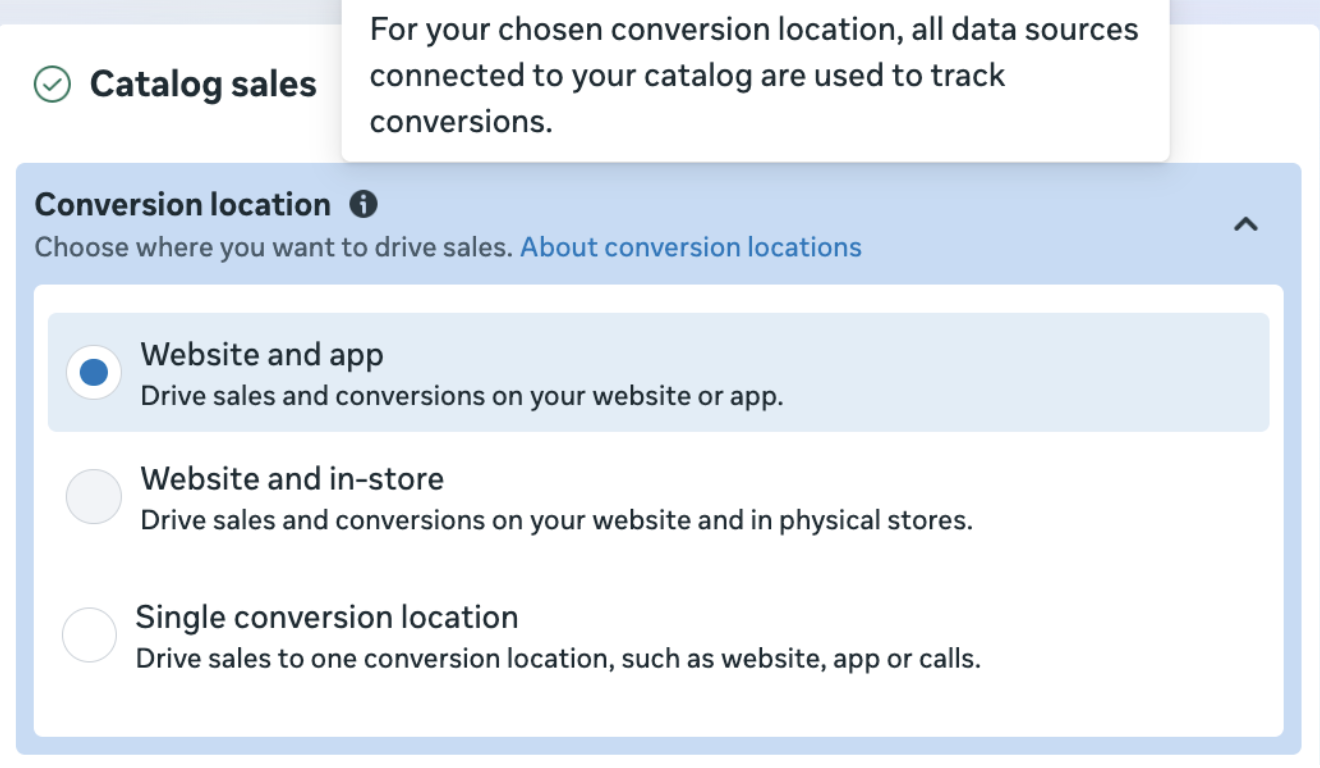
Most shoppers tap your ad and land inside the app, not a mobile browser. If your conversion tracking only covers the website, every in-app purchase will go unattributed, especially if you’re running on an omnichannel platform. This particularly happens in Meta Ads when the conversion location is set to "Website only". The attribution setting and the algorithm cannot optimise toward a conversion it cannot see4.
The symptoms are healthy add-to-cart numbers, near-zero tracked purchases, and a suspicious gap between "shared" and direct purchase columns. The fix is to ensure your tracking and conversion location covers both web and app as shown in Figure 2, so the purchases that are already happening actually get counted.
The cost they didn’t see it coming
Sometimes shoppers get to checkout and find a cost they weren’t expecting. Unexpected fees, usually shipping, revealed late in the purchase journey are the single most documented reason people abandon a cart1. During a mega sale event, the effect is sharper: your offer is being compared in real time against every competitor running the same promotion, so a delivery fee that nudges the total higher is often all it takes to lose the sale.
This pattern is obvious when abandonment rates surge during promotional periods, or when customers realise they have not reached the minimum spend threshold for free delivery. When the analytics suggest that the friction is at the point of sale, the solution is to be transparent about total costs from the start, surfacing delivery fees or minimum-spend requirements in the ad creative or on the landing page.
Diagnosing the drop-off
Cart abandonment has a reputation for being complicated. Mostly, it isn't. The gap between add-to-carts and purchases almost always traces back to something unglamorous: a misconfigured conversion event, a tracking gap between web and app, or a shipping fee that appeared too late.
None of those require a bigger budget or a new creative strategy. They require ten minutes in your campaign settings and a willingness to look at the problem from the customer's side of the checkout page.
Start there.
Sources:
- 50 Cart Abandonment Rate Statistics 2026. Baymard, 2025.
- Meta Ads Scaling Limitations: Why Growth Stalls and How to Push Through. Adstellar, 2026.
- About campaign-specific conversion goals - Google Ads Help. Google Help, retrieved 8 June 2026.
- About Conversion Locations and Events in Meta Ads Manager | Meta Business Help Center. Facebook, retrieved 8 June 2026.
Want a second pair of eyes on your funnel? Talk to us.

Google's biggest Search ads upgrade in a decade swaps keyword lists for intent signals, rewrites ad copy on the fly, and reroutes clicks to the best landing page. Here's how it works and how to launch it for your brand.

Google Ads has long been written off as “slow” for product testing, but the 2026 evolution of Demand Gen changes that.

Meta's new AI-powered audience builder lets advertisers describe customers in plain English. Here's a look at who it will benefit, where it falls short, and the four rules to follow before you scale.