Driving brand recognition and purchase intent

Rokid

300% ROAS, sharp lifts in brand recognition and purchase intent for startup Rokid – delivered faster and cheaper

300% ROAS, built on AI for a startup banking on speed

No items found.
No items found.
No items found.
The challenge: A new entrant up against industry giants

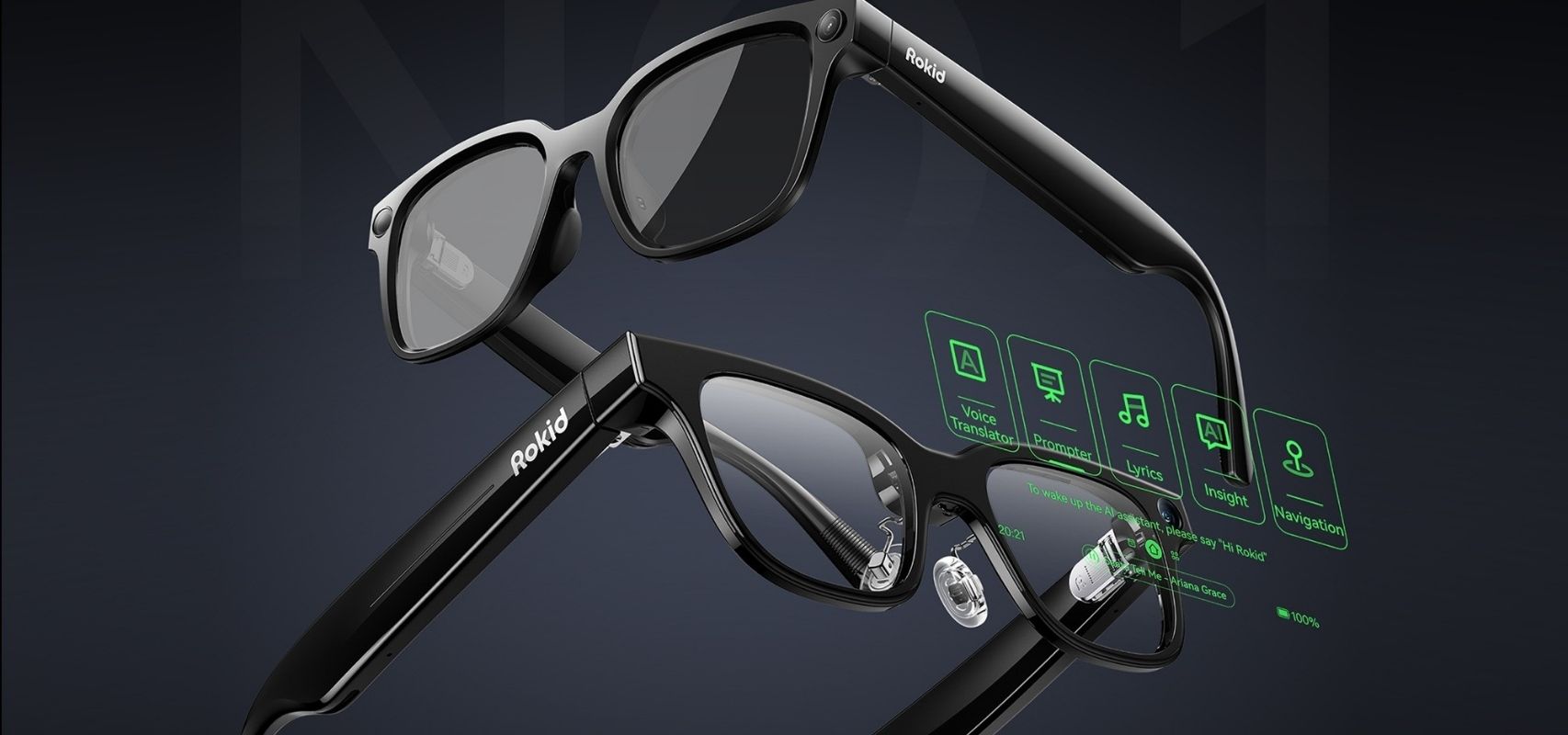
The Augmented Reality (AR) glasses segment then was a new niche category with no marketing precedent and a niche consumer base. Rokid was entering the category as a young brand with low brand awareness and a modest budget. Its international site had only just launched, however with thin traffic and a return on ad spend below 1. Up against competitors like Apple, Google and Meta, they urgently needed to ramp up their go-to-market strategy and improve creative production efficiency to capture market share before the industry goliaths do.

Our approach: Widen, educate, amplify

Widening the audience pool

AR glasses were still in the innovators/early adopter phase of the technology adoption curve, with a very niche audience. As a first step to expand its marketable audience, we looked beyond pure tech enthusiasts towards existing audience segments who have demonstrated strong preferences for a technology-enhanced life and those who also show early adoption habits or a demonstrated aptitude for learning new technology. With that in mind, gamers, movie buffs, urban professionals and students were identified to be priority audiences.

Educate, then optimise

Given the nascent nature of the category, it was challenging for audiences to visualise how Rokid fits in their everyday life. Once the priority audiences were identified, we created scenario ads for each audience segment to communicate the functional value of its products through scenarios like movies and games, to showcase how the technology is able to seamlessly integrate into and enhance their existing routines.

Amplify with AI and MMM

To improve creative production efficiency, AI was used to expand creative formats and content rapidly, generating variations across copy, visual treatment, and format without an increase in production hours. Brand image was also tightly monitored, and was well-balanced with product selling points to keep the expanded output on-brand and on-message rather than simply larger in quantity.

Rather than committing to a single creative bet upfront, we ran variations to identify the engagement formula that performed, reading the combination of hook, format, and message that consistently earned attention. Once that formula was isolated, we moved into mass-production of high-quality posters and videos built around it, then reiterated the winning structure across multiple platforms. Each platform pass fed performance signals back into the next round, so the creative sharpened with every cycle rather than being finalised once and left to run.

Marketing Mix Modelling was layered over this to govern where budget went. On a regular review cadence, MMM assessed the marginal return of each channel and campaign objective, showing which incremental dollars were still working hard and which had begun to plateau. Budget was then adjusted accordingly, shifting spend toward the channels and objectives delivering the strongest returns and pulling back where returns were thinning. The result was a loop in which creative was optimised for engagement and spend was optimised for return, each informing the other.

The results

  • 150M impressions, with marked brand growth across the U.S., Australia and Europe.
  • Brand recognition lifted by 3.7 points
  • 300% ROAS growth
  • Purchase intent increased by 1.7 points
  • 90% savings on creative costs
  • 80% faster content production time

No items found.
No items found.
No items found.

Launching in a untested market on a tight budget? See how we can apply the same data-driven approach for your brand. Book a free strategy session.